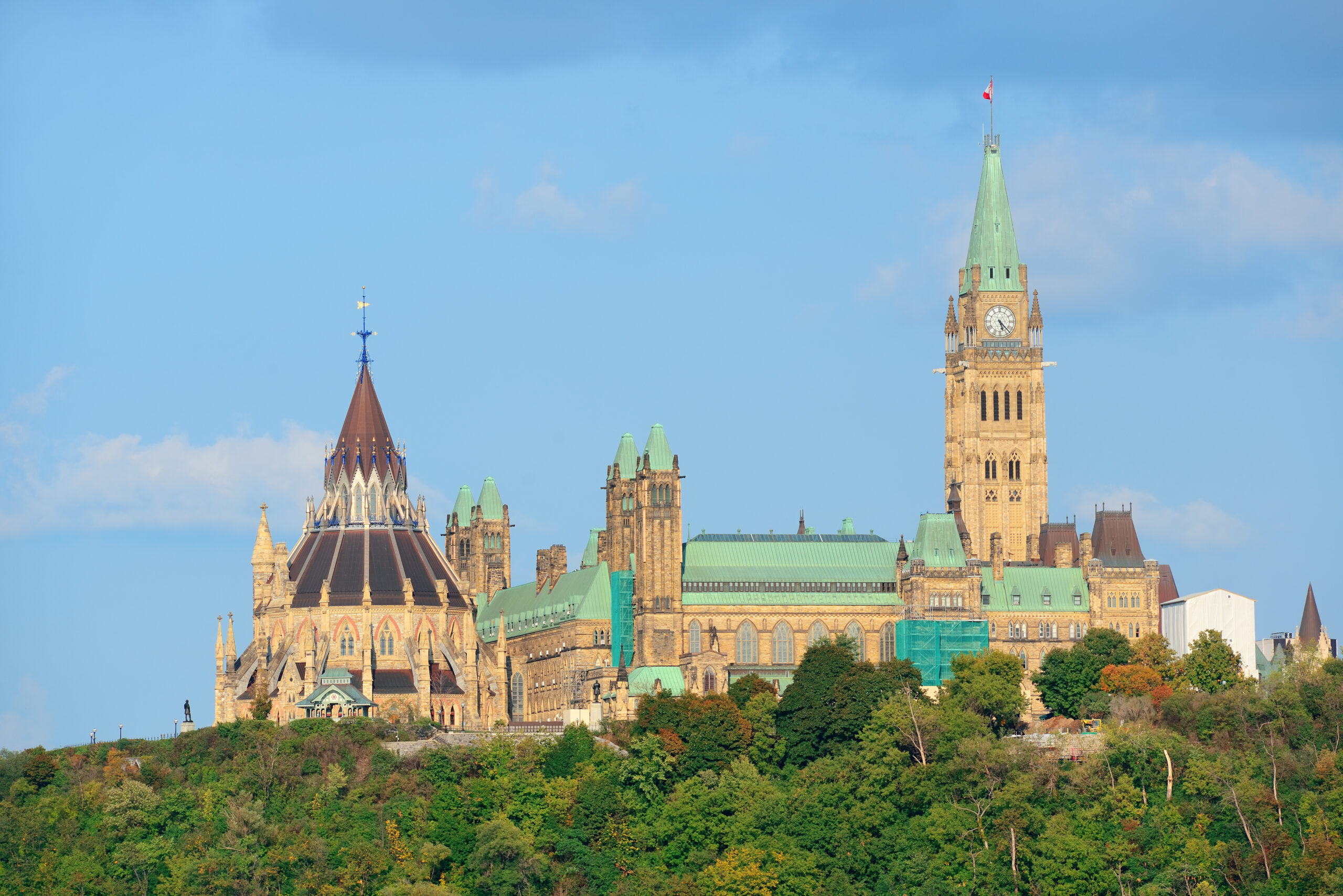
Have you ever questioned why so many people are moving to this cold, English-speaking nation in North America? In reality, over the past few years, education tourism has steadily increased in Canada. According to the UN report, Canada has been ranked among the top three countries in the world to live for nine years running. The society is one that values peace, friendship, compassion, and security. Since the Canadian Charter of Rights and Freedoms and the Canadian Multiculturalism Act uphold equality, diversity, and respect for all people, this constitutional monarchy firmly believes in these ideals.
In other areas, such as “the best place to live” and “the best place to study,” Canada has consistently secured the top rankings. In numerous worldwide surveys and standards assessments, it also receives good marks in the areas of entrepreneurship, employment, and tourism. Students who are interested in studying abroad are aware of the value proposition it presents: top-notch schools at a competitive price in a secure, lovely, multicultural, forward-thinking, and friendly environment. They enthusiastically accept Canada’s exceptional combination of high-quality education, possibilities for employment both during and after school, and the potential for immigration after graduation.

Before deciding to study abroad in the USA, students must reflect. Before you make plans for a higher education abroad, you must make a well-informed selection. The nation has established itself as a top study abroad location renowned for its superior educational system. The following list of the top 10 reasons to choose to study in the US includes:
Canadian degrees, certificates, and diplomas are regarded as being on par with degrees from the US and other Commonwealth nations. Canadian universities consistently receive top rankings internationally and uphold high standards of academic performance. Four Canadian institutions were included in the top 100 colleges by ARWU Shanghai Rankings in 2012: University of British Columbia, McGill University, McMaster University, and University of Toronto. Five more institutions made the top 100 list of the QS University Ranking: Universität de Montréal, HEC Montréal, University of Alberta, Queen’s University, and University of Waterloo.
Universities, colleges, and other postsecondary educational institutions provide a number of programmes in a wide range of professional and technical sectors that are merely academic as well as skill-oriented. More than 10,000 undergraduate and graduate degree programmes, professional degree programmes, and certificate programmes are offered by Canadian universities. In addition to their primary degree plan, students have the option of pursuing a variety of workshops, short courses, and upgrades for skilled employees and professionals. Some universities provide specialised training in a variety of industries, including apiculture, paramedical technology, agriculture, fisheries, and more. However, Indian students are particularly interested in studying in industries like telecommunications, medical, agriculture, computer technology, business studies, and environmental science.
Compared to the US, UK, and Australia, Canada has the lowest tuition costs for international students. For a foreign student enrolled in a yearlong undergraduate programme, the average cost is 11,903 CAD. The cost of a bachelor’s degree at a public university in the US is nearly one-third greater than it is in Canada. Fees at Canadian institutions for undergraduate programmes were determined to be less than half what they are at private US universities.
The Canadian government is aware that international students contribute significantly to several disciplines and the industry with the expertise they bring from their home nations. They also offer new ideas to Canada. Due to this, the Canadian federal, provincial, and territorial governments as well as a number of other governmental and non-governmental organisations award numerous scholarships and bursaries to eligible foreign scholars.
Canada is a peaceful and generally safe nation. From 1993 to 2003, there was a ten-year decline in the number of violent offences. Contrary to the US, firearms are carefully regulated and typically not allowed. Canada consistently ranks among the world’s top 10 safest nations to go to according to the Global Peace Index. Natural calamities also don’t seem to have much of an impact on it.
Canada is an immigrant-heavy nation with a multicultural diversity policy. The majority of ethnic groups in the world are represented in Canadian society. The majority of ethnic foods and cultural activities are readily available. It is simple to locate unofficial groups and organisations that represent different nationalities. The majority of Canadians are quite understanding and appreciative of other viewpoints. In the previous 150 years, 15 million immigrants have arrived to Canada. Over a million indigenous people, including First Nations, Métis, and Inuit tribes, reside in Canada.
The relatively easy process of obtaining a Canadian study visa is one of the most exciting aspects when thinking about studying there. Students are having more problems and are complaining about the rigorous US visa requirements. International students have been sent to other nations as a result. The Canadian government has taken every possible measure to gain from the more stringent US visa policy implemented in the wake of 9/11.
As a vast country located close to the Arctic Circle and encircled by three oceans (the Pacific, Atlantic, and Arctic), Canada has a very diverse geography. Cities in Canada are well known for being beautiful and draw a lot of tourists there each year. There are four very distinct seasons, and depending on how far you are from the coast and the Arctic Circle, the temperature varies greatly throughout the year.
From breathtaking mountain landscapes to vibrant cultural hubs, these cities showcase the true charm and diversity of Canada.
A university is an institution of higher education that typically includes a college of liberal arts and sciences, along with graduate and professional programs.
| SL | Name of Universities | Ranking |
|---|---|---|
| 01 | University of Toronto | 01 |
| 02 | McGill University | 02 |
| 03 | University of British Columbia (UBC) | 03 |
| 04 | McMaster University | 04 |
| 05 | University of Alberta | 05 |
| 06 | University of Waterloo | 06 |
| 07 | Western University | 07 |
| 08 | University of Ottawa | 08 |
Discover Canada’s remarkable historical landmarks that reflect its rich heritage and diverse cultural past.
From ancient settlements to iconic government buildings, these sites showcase the country’s journey through time.